
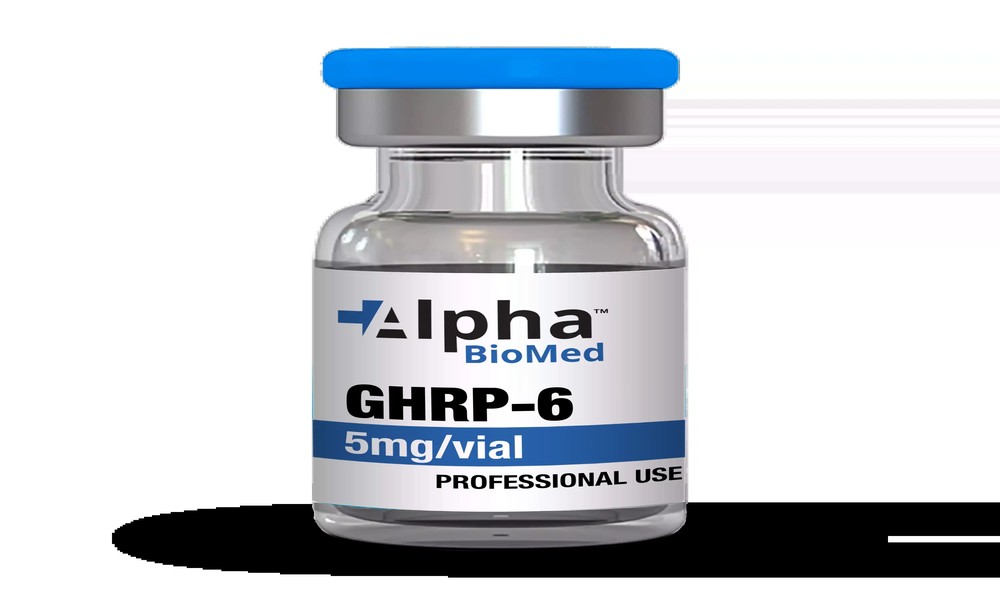

The landscape of endocrinological research was profoundly altered by the discovery of a pioneering synthetic compound. This molecule, known as GHRP-6, emerged from systematic laboratory investigations into substances that could stimulate the pituitary gland.
American endocrinologist Cyril Bowers made the critical observation. He noted that certain chemical analogues displayed a potent ability to trigger growth hormone release. This finding marked a significant leap forward in understanding hormonal regulation.
This review synthesises the historical context and contemporary findings surrounding this tool. It traces the compound’s journey from basic cell culture studies to its role in complex experimental paradigms. The therapeutic potential unlocked by this research continues to drive scientific inquiry today.
Readers will gain a comprehensive overview of how this peptide functions and its value in scientific exploration. The article serves as a detailed resource for researchers and clinicians alike, examining the full spectrum of its experimental use.
Key Takeaways
- GHRP-6 was the first synthetic peptide specifically designed to stimulate a dose-related release of growth hormone.
- Its discovery by Cyril Bowers originated from studying chemical analogues in pituitary cell cultures.
- The compound represents a major milestone in endocrinology, enabling precise study of the growth hormone axis.
- Research with this tool has evolved from foundational in vitro studies to diverse in vivo experimental models.
- Understanding its mechanism and history provides crucial context for current and future therapeutic research.
- This analysis is aimed at supporting scientists and pharmaceutical professionals in their work.
Introduction to GHRP-6 Research and Its Historical Context
The historical path to GHRP-6 began not with a targeted search, but with an incidental discovery in pituitary cell cultures. During the early 1980s, scientists studying chemical analogues of enkephalin observed an unexpected biological activity.
American endocrinologist Cyril Bowers played a defining role. He noted these synthetic compounds could stimulate the release of growth hormone. This serendipitous finding catalysed the systematic development of a new research tool.
Overview of Pioneering Discoveries
Early investigations revealed these synthetic peptides had dosage-dependent effects. This characteristic distinguished them from naturally occurring factors. It established their unique potential as precise instruments for study.
The pioneering findings soon extended beyond endocrinology. Researchers identified unexpected cardioprotective and cytoprotective properties. This opened entirely new avenues for multi-system investigation.
Following GHRP-6, additional peptides like GHRP-2 were synthesised. Each contributed unique data to the growing field. These foundational discoveries confirmed effects through both hormone-dependent and independent pathways.
|
Time Period |
Core Finding |
Research Implication |
|
Early 1980s |
Enkephalin analogues trigger GH release |
Serendipitous discovery of a new peptide class |
|
Mid-1980s |
Bowers systematises synthetic secretagogue development |
Creation of reliable research tools for the growth hormone axis |
|
Late 1980s |
Dosage-dependent secretion is characterised |
Clear distinction from natural hypothalamic factors |
|
Early 1990s |
Cytoprotective properties are identified |
Field expands from endocrinology into cardiovascular research |
|
1990s onwards |
Related peptides (e.g., GHRP-2, Hexarelin) are synthesised |
Enables comparative studies and broadens therapeutic potential |
Biochemical Properties and Mechanism of Action
At the core of its experimental utility lies a specific amino acid sequence designed for stability and dual receptor activation. Its biological effects are a direct consequence of this precise molecular engineering.
Molecular Structure and Stability
The compound is a synthetic hexapeptide. Its sequence is His-DTrp-Ala-Trp-DPhe-Lys-NH2. The inclusion of D-amino acids is a critical feature.
These D-forms enhance metabolic stability. They provide strong resistance to enzymatic breakdown in the body. This design grants notable oral bioavailability for a peptide.
Other key properties include a small molecular weight and chemical stability. Its synthesis is also cost-effective compared to similar secretagogues.
Receptor Interaction Profiles
This molecule exhibits a sophisticated dual-target mechanism. It binds to two distinct receptor types: GHS-R1a and CD36.
The GHS-R1a receptor is the primary mediator for growth hormone-releasing activity. It is found in pituitary cells, cardiomyocytes, and vascular tissue like the aorta.
CD36 binding was identified later. This scavenger receptor is expressed in various tissues, including the cardiovascular system. It influences coronary function.
These interactions allow for both redundant and independent biological effects. The profile explains actions extending far beyond simple hormone stimulation.
GHRP-6 Applications in Growth Hormone Secretion Experiments
Research into neonatal endocrine development has been particularly informed by studies employing GHRP-6. This peptide offers a powerful means to investigate secretion patterns that differ from adult physiology.
In vitro work using cultured neonatal pituitary glands showed the compound directly stimulates release. Its effect was comparable to, or even exceeded, that of thyrotropin-releasing hormone (TRH). This confirmed a potent, direct action on somatotroph cells.
In vivo models, especially using rat pups, provided further validation. Administration led to a significant rise in serum growth hormone levels. The measured hormonal response was greater than that triggered by TRH alone.
The peptide’s efficacy stems from a dual mechanistic approach:
- A direct action on pituitary somatotroph cells.
- An indirect effect mediated via hypothalamic growth hormone-releasing factors. These factors are distinct from the classic growth hormone-releasing hormone (GHRH).
When combined with a natural stimulus like nursing, the effects on hormone secretion are additive. This suggests the peptide and physiological cues use separate pathways. It provides a tool to dissect complex regulatory networks controlling growth.
Cardioprotective Effects of Growth Hormone-Releasing Peptides
One of the most compelling applications of GHRP-6 lies in its capacity to protect the myocardium from ischaemic injury. This discovery marked a major shift, revealing therapeutic benefits far beyond the endocrine system.
These protective effects operate through mechanisms independent of growth hormone stimulation. They offer a direct route to safeguarding cardiac tissue.
Myocardial Ischaemia/Reperfusion Protection
Research shows this peptide shields the heart during and after a simulated attack. In animal models, it significantly reduces damage caused by restricted blood flow and subsequent reperfusion.
It prevents harmful elevations in left ventricular end-diastolic pressure. Coronary perfusion pressure also remains more stable.
A key biomarker, creatine kinase release, is lowered. This indicates less cell membrane damage and necrosis. Remarkably, these benefits are seen even in ageing, senescent hearts.
Anti-apoptotic Pathways
The protection stems from activating cellular survival signals. Binding to the CD36 receptor triggers the PI-3K/AKT1 pathway.
This cascade powerfully inhibits programmed cell death, or apoptosis. It makes heart muscle cells more resilient.
Furthermore, the peptide reduces harmful reactive oxygen species. It boosts the heart’s own antioxidant defences and curbs inflammation.
These cytoprotective abilities extend to neuronal, gastrointestinal, and hepatic cells. This highlights a broad, hormone-independent mechanism of action.
GHS-R1a and CD36: Dual Receptor Dynamics
Cardiovascular research revealed that the compound’s actions are mediated through a sophisticated dual-receptor mechanism. It is now accepted that two primary receptor subtypes facilitate its pharmacological activity.
This system provides a robust framework for its diverse effects. Each receptor contributes unique signalling capabilities to the overall response.
Receptor Expression in Cardiac Tissues
The GHS-R1a is a G-protein-coupled receptor found widely in cardiovascular tissue. It is present on heart muscle cells and vascular lining.
CD36 offers a distinct binding site, crucial for vascular responses. Its expression influences lipid metabolism and inflammation.
Binding studies using labelled analogues mapped receptor density. The highest levels were found in cardiac ventricles.
|
Cardiovascular Tissue |
Relative Binding Level |
|
Ventricles |
Highest |
|
Atria |
High |
|
Aorta & Coronary Vessels |
Substantial |
|
Carotid Artery |
Substantial |
|
Endocardium & Vena Cava |
Detectable |
Functional proof comes from CD36-deficient models. In these, specific effects like modulating coronary pressure are absent.
This dual dynamic ensures biological responses remain robust. It allows for complementary pathways even if one receptor system is compromised.
Understanding this expression profile is vital. It helps design studies that pinpoint the source of observed effects in complex systems.
Molecular Signalling and Downstream Pathways
The intracellular signalling cascades triggered by this synthetic peptide represent a cornerstone of its cytoprotective action. Binding primarily to the CD36 receptor initiates a robust prosurvival programme within target cells.
This molecular signalling directly counters the self-perpetuating continuum of injury seen in ischaemic tissues.
PI-3K/AKT1 Activation and ROS Regulation
A critical early event is the activation of the phosphatidylinositol-3-kinase (PI-3K) pathway. This activation phosphorylates and switches on the AKT1 protein kinase, a central hub for cell survival.
The PI-3K/AKT1 axis delivers protective effects by inhibiting pro-apoptotic proteins and modulating cellular metabolism. It also activates endothelial nitric oxide synthase, improving vascular function.
Concurrently, the signalling reduces reactive oxygen species production and spillover. It enhances the heart’s own antioxidant defences, increasing cellular capacity to neutralise free radicals.
This dual approach addresses oxidative stress, a key factor in ischaemia/reperfusion damage. The peptide’s influence extends to calming the inflammatory response.
It lowers the expression of pro-inflammatory cytokines and chemokines. This limits the inflammatory cascade that exacerbates tissue injury.
These pathways operate through both post-translational modifications and altered gene expression. This allows for both immediate protection and longer-term adaptive responses.
“The signalling mechanisms demonstrate a remarkable capacity to address multiple components of the injury cascade simultaneously, providing comprehensive cellular protection.”
Research confirms this molecular signalling is independent of growth hormone receptor activation. It is a direct, hormone-independent mechanism safeguarding heart muscle cells and other tissues.
Experimental Evidence: Preclinical and Clinical Trials
The translation of laboratory findings into human benefit is a critical step. It is supported by a robust body of experimental evidence from preclinical and clinical trials.
This analysis reviews the key studies that validate the cardioprotective potential of this peptide class. The evidence spans from isolated organ preparations to controlled human investigations.
Ex Vivo Investigations
Foundational work utilised ex vivo isolated, perfused heart models. These experiments demonstrated preserved ventricular function after ischaemia.
Hearts treated with the peptide showed superior recovery. This provided the first direct proof of a cardioprotective effect.
Preclinical in vivo studies in animals established dose-response relationships. They informed optimal administration protocols for later human trials.
Clinical Inotropic Evaluations
The first human evidence came from a study of seven adult patients. These individuals had growth hormone deficiency and left ventricular failure.
Acute hexarelin administration increased their left ventricular ejection fraction. It did not alter catecholamine levels, blood pressure, or cardiac output.
This proved a positive inotropic effect in humans. The mechanism was growth hormone-independent and mediated by specific myocardial receptors.
A subsequent study confirmed this finding. It included normal adults, GH-deficient patients, and those with severe ischaemic dilated cardiomyopathy.
The results were reproducible across diverse patient groups. They validated the preclinical findings and established proof-of-concept for this treatment approach.
Applications in Cardiac Disease Models
Experimental models of cardiac disease have proven invaluable for evaluating the therapeutic promise of synthetic peptides. These controlled systems allow researchers to assess a compound’s impact on specific dysfunctional parameters.
This section examines how one peptide performs in such rigorous experimental settings. The focus is on models of dilated cardiomyopathy and drug-induced heart failure.
Insights from Dilated Cardiomyopathy Studies
The TO-2 hamster model of dilated cardiomyopathy provided critical data. This genetic model features progressive left ventricular dilation, wall thinning, and systolic dysfunction.
Studies showed that treatment with GHRP-6 ameliorated all these dysfunctional parameters. It also reduced the overall progression of the disease.
In a separate model, rats received doxorubicin to induce heart failure. Concurrent administration of the peptide completely prevented the failure of cardiac function.
Echocardiography measured this preserved ejection fraction. The effect significantly increased the animals’ survival rates.
|
Disease Model |
Key Characteristics |
Observed Treatment Effect |
|
TO-2 Hamster (Genetic DCM) |
Progressive LV dilation, wall thinning, systolic dysfunction |
Ameliorated all ventricular parameters, slowed disease progression |
|
Rat (Doxorubicin-induced) |
Chemotherapy-induced cardiomyopathy, reduced ejection fraction |
Complete prevention of function failure, increased survival |
These models revealed the treatment‘s potential for both prevention and functional recovery. Benefits even extended to protecting other organs like the kidneys and liver.
The consistency across different models strengthens the evidence for GHRP-6 as a potential therapeutic intervention. It shows promise for various heart failure conditions.
Adjunctive Therapies and Pharmacological Repositioning
The clinical narrative of synthetic peptides has been dramatically reshaped by a process known as pharmacological repositioning. For GHRP-6, this represents a paradigm shift from its original development as a growth hormone-releasing peptide to emerging uses in cardioprotection.
Initial enthusiasm for these agents as oral growth-promoting or anti-ageing therapies soon faded. This occurred despite their potent activity. Inconsistent long-term results and alternative treatments contributed to this change.
Research focus was redirected by a crucial discovery. Widespread receptor expression was found in myocardial, vascular, and other organ systems. This finding strongly reinforced the cardiovascular application stream for these peptides.
This repositioning unlocks potential as an adjunctive therapy. In acute myocardial infarction, it could address multiple injury factors at once. These include oxidative stress, inflammation, and mitochondrial dysfunction.
Critically, studies show no adverse interactions with standard cardiac drugs like metoprolol. This supports its safe use alongside established treatments.
|
Property Leveraged |
Strategic Advantage in Repositioning |
|
Oral Bioavailability |
Enables practical administration in acute and chronic settings. |
|
Chemical Stability |
Simplifies formulation and storage for clinical use. |
|
Cost-effective Synthesis |
Makes large-scale therapeutic application more feasible. |
|
Established Safety Profile |
Builds on existing toxicology data from endocrine research. |
Contemporary efforts now focus on identifying specific clinical niches. The goal is to use its multi-factorial mechanisms where single-target therapy falls short. This exemplifies how fundamental research can reveal unexpected therapeutic opportunities.
Safety Profiles and Administration Protocols
Establishing a robust safety profile is a fundamental prerequisite for advancing any novel therapeutic agent into clinical practice.
For this synthetic peptide, comprehensive data from both preclinical and clinical settings confirms a broad tolerability. Adverse effects are minimal across wide dose ranges.
Dose Escalation and Tolerability Assessments
Critical dose escalation studies in healthy human volunteers were conducted. Intravenous administration proved safe, defining maximum tolerated doses.
This work identified optimal therapeutic ranges for future use. Critically, no adverse pharmacological interaction was found with the beta-blocker metoprolol.
This supports the peptide’s potential as a safe adjunctive therapy. Patients on standard cardiac medications could potentially use it.
Protocols for subcutaneous and oral delivery have also been developed. Bioavailability and pharmacokinetics are well characterised for each route.
Tolerability assessments span diverse groups. These include healthy volunteers, growth hormone-deficient individuals, and cardiac disease patients.
Serum level monitoring shows predictable, dose-proportional pharmacokinetics. The growth hormone response curve is consistently reproducible.
Long-term animal data shows no receptor desensitisation or cumulative toxicity. This evidence provides confidence for larger clinical trials.
Role of GHRP-6 in Antifibrotic Interventions
Fibrotic diseases, characterised by debilitating scar tissue accumulation, represent a major therapeutic challenge where this agent shows potential. Its emerging role centres on modulating the extracellular matrix to prevent harmful organ stiffening.
Impact on Extracellular Matrix Regulation
The primary antifibrotic effect involves counteracting key fibrogenic cytokines. It suppresses transforming growth factor-beta 1 and connective tissue growth factor expression.
This occurs via activation of peroxisome proliferator-activated receptor gamma signalling. The cascade promotes matrix remodelling back toward normal tissue architecture.
Another crucial mechanism is the regulation of matrix metalloproteinases. Treatment increases MMP-2 and MMP-9 activities while decreasing tissue inhibitor of metalloproteinase-1 expression.
This shifts the balance firmly toward matrix degradation. The effect reduces collagen deposition and hydroxyproline content in tissue.
Evidence for this broad applicability comes from several models:
- Chronic treatment in hypertensive rats reduced cardiac fibrosis and improved diastolic function.
- In liver cirrhosis models, it decreased hepatic fibrosis severity.
- Studies on hypertrophic scars showed reduced dermal collagen accumulation.
These actions translate into improved organ compliance and preserved function. They address a significant unmet need in managing progressive fibrotic remodelling.
Insights from Comparative Studies with Other Peptides
Evaluating GHRP-2, hexarelin, and other analogues provides a framework for selecting the optimal peptide for a given research goal. Comparative study of these synthetic growth hormone-releasing agents reveals shared class effects and unique properties.
Comparing GHRP-2, Hexarelin and Others
The first synthetic variant was GHRP-1, a heptapeptide. Later, the hexapeptide compounds GHRP-2 and hexarelin were synthesised.
They offered enhanced potency and better pharmacological profiles for research. Both GHRP-2 and GHRP-6 showed comparable efficacy in a cardiomyopathy model.
This suggests common class effects among these peptides. A key study found GHRP-2 pretreatment protected against specific heart dysfunction.
This effect was not seen with growth hormone itself. It confirms receptor-mediated, peptide-specific mechanisms.
Hexarelin shows very high affinity for the CD36 receptor. However, concerns over desensitisation have limited its clinical use compared to other agents.
GHRP-2 also reduces heart remodelling via an antioxidant mechanism. These comparative insights are vital for experimental design.
|
Peptide |
Core Structure |
Key Comparative Finding |
Primary Research Implication |
|
GHRP-1 |
Heptapeptide |
Early synthetic variant; foundational proof of concept |
Established the basic activity of synthetic growth hormone-releasing peptides |
|
GHRP-2 |
Hexapeptide |
Superior protection against post-ischaemic diastolic dysfunction |
Highlights receptor-specific, hormone-independent cytoprotection |
|
Hexarelin |
Hexapeptide |
Highest CD36 receptor affinity; potential for desensitisation |
Useful for acute study; chronic use may be limited |
|
GHRP-6 |
Hexapeptide |
Broad efficacy in disease models with a strong safety profile |
Remains a benchmark for comparative analysis and therapeutic development |
Choosing the right growth hormone-releasing agent depends on the specific experimental aims. Subtle structural differences between these peptides influence their biological effects.
Implications for Endocrinology and Cytoprotection
A paradigm shift occurred with the discovery that cell survival could be directly promoted by peptides, bypassing the growth hormone axis entirely. This revelation fundamentally altered the field of endocrinology.
It established that compounds designed as secretagogues possess intrinsic, hormone-independent biological activity.
GH-independent Mechanisms in Cell Survival
Definitive proof came from experiments using hypophysectomised animals and in vitro systems. These studies completely excluded pituitary involvement.
Cardiotropic effects from peptide administration proved superior to exogenous growth hormone replacement. They were not replicated by growth hormone-releasing hormone.
This confirmed unique receptor-mediated pathways. In vitro work with H9c2 cardiomyocytes showed dose-dependent proliferation enhancement.
It demonstrated direct membrane receptor binding and a clear cytoprotective effect.
|
Mechanism |
Primary Mediator |
Key Effect |
Experimental Evidence |
|
GH-dependent |
Pituitary somatotrophs |
Systemic hormone elevation |
Classical secretion assays |
|
GH-independent |
Direct cell membrane receptors (e.g., CD36) |
Local cytoprotection & proliferation |
Hypophysectomised models; in vitro cardiomyocyte studies |
These mechanisms include anti-apoptotic signalling and improved mitochondrial function. They operate through pathways distinct from classical growth factor activity.
The implications extend therapeutic potential to patient groups where hormone administration is ineffective. This broadens the clinical opportunity space significantly.
Research Methods and Evaluation Techniques
Ensuring reproducible results demands strict adherence to standardised protocols and high-quality reagents. A comprehensive analysis of the literature, often sourced from databases like PubMed/MEDLINE, forms the foundation. This review focuses on original research and articles in English from 1980 onward.
The methodological study of this synthetic peptide’s effects employs a tiered approach. Investigators use complementary models to build a complete picture.
In Vitro and In Vivo Experimental Designs
In vitro work utilises isolated cell cultures, such as neonatal pituitary glands or H9c2 cardiomyocytes. This system allows direct examination of cellular responses without complex bodily influences.
Ex vivo techniques, like the Langendorff perfused heart preparation, maintain tissue architecture. They offer precise environmental control while preserving cellular interactions.
In vivo models, typically in rodents, validate findings in a whole-organism context. They reveal systemic effects and support translational potential. Evaluation techniques range from hormone immunoassays to cardiac echocardiography.
|
Experimental System |
Key Features |
Primary Output Measured |
|
In Vitro Cell Culture |
Isolated cells; highly controlled conditions |
Direct cellular response (e.g., hormone release, gene expression) |
|
Ex Vivo Organ Preparation |
Intact tissue architecture; perfused medium |
Organ-level function (e.g., contractile force, coronary flow) |
|
In Vivo Animal Model |
Whole organism; integrated physiology |
Systemic effects (e.g., serum levels, survival, functional recovery) |
Utilising Pure Peptides in Research
Experimental consistency hinges on using peptides of verified purity and sequence. Suppliers like Pure Peptides UK provide research-grade materials with full analytical documentation.
This includes mass spectrometry confirmation and endotoxin testing. The use of such Pure Peptides ensures reliable dose-response characterisation.
It also allows for valid comparison of results across different laboratories. Proper reconstitution, storage, and vehicle control are further critical considerations. A robust analysis framework combines these methods to support solid conclusions.
Advanced Perspectives and Future Directions
Despite decades of investigation, cytoprotection remains a largely untapped frontier in modern medicine. A National Institutes of Health expert panel concluded that cardioprotection is at a crossroads, with findings from the past 30 years often disappointing. This highlights both the challenge and the opportunity for this family of peptides.
Myocardial reperfusion injury stands out as the most promising near-term clinical niche. Its multi-factorial mechanisms address the complex injury cascade better than single-target drugs.
Innovative Clinical Niches and Future Therapies
Future therapeutic development requires large-scale clinical trials. These must establish definitive efficacy in acute coronary syndromes and heart failure.
Other innovative niches under development include neuroprotection after stroke and hepatoprotection. Preventing chemotherapy-induced organ damage is another key area.
Precision medicine approaches could identify patient subpopulations most likely to benefit. This would optimise clinical trial design and improve life outcomes.
Collaborative Insights from Pure Peptides UK
Collaborative research is vital for progress. Initiatives involving academic institutions and suppliers like Pure Peptides UK accelerate translational growth.
They facilitate the exchange of high-quality materials and standardised protocols. This ensures the reliability of new findings across the system.
Future directions include creating modified analogues with enhanced receptor selectivity. Advanced drug delivery systems, like nanoparticle formulations, may also improve efficacy.
The long-term vision extends to healthy ageing and life extension. This article underscores the peptide’s potential across multiple disciplines, fuelling further growth in the life sciences.
Conclusion
The collective evidence underscores the transformative impact of a pioneering peptide on endocrinology and cytoprotective research. This article has traced its evolution from a simple hormonal tool to a multi-target agent with diverse potential.
Central to its action is a dual-receptor system, engaging GHS-R1a and CD36. These mechanisms produce robust biological effects across various tissues.
Notably, many findings highlight growth hormone-independent pathways. This represents a paradigm shift, expanding applications beyond endocrine roles to direct cell survival.
Despite promising findings, this peptide family awaits a definitive clinical niche. Large-scale trials must establish efficacy and optimal use. Future work should address safety to unlock its full potential.
FAQ
How does GHRP-6 primarily stimulate growth hormone release?
This hexapeptide works mainly by activating the ghrelin receptor, known as GHS-R1a. This action triggers a signalling cascade inside pituitary cells, leading to a potent and direct increase in growth hormone secretion, independent of the body’s natural releasing hormone.
What evidence supports its role in protecting heart tissue?
Studies, including those using models of heart attack, show this peptide analogue can significantly reduce damage from ischaemia and reperfusion. It activates survival pathways like PI-3K/AKT1, which helps regulate oxidative stress and prevents programmed cell death in cardiac muscle.
Besides GHS-R1a, what other receptor is important for its cardiac effects?
Research indicates the scavenger receptor CD36 plays a crucial dual role alongside GHS-R1a in heart tissue. The co-expression and interaction of these two receptors are believed to be key for the peptide’s observed cardioprotective properties.
Has its potential been tested in human clinical settings?
Yes, clinical evaluations have been conducted. For instance, trials in patients with heart failure have investigated its inotropic effects-the ability to improve the heart’s pumping strength. These studies provide important translational data from preclinical work.
What is a key consideration for its use in research models?
A primary consideration is dose tolerability. Establishing a safe and effective dosing protocol is essential, as highlighted in pharmacological assessments. Sourcing high-purity, research-grade material from reputable suppliers like Pure Peptides UK is also critical for reliable experimental results.