
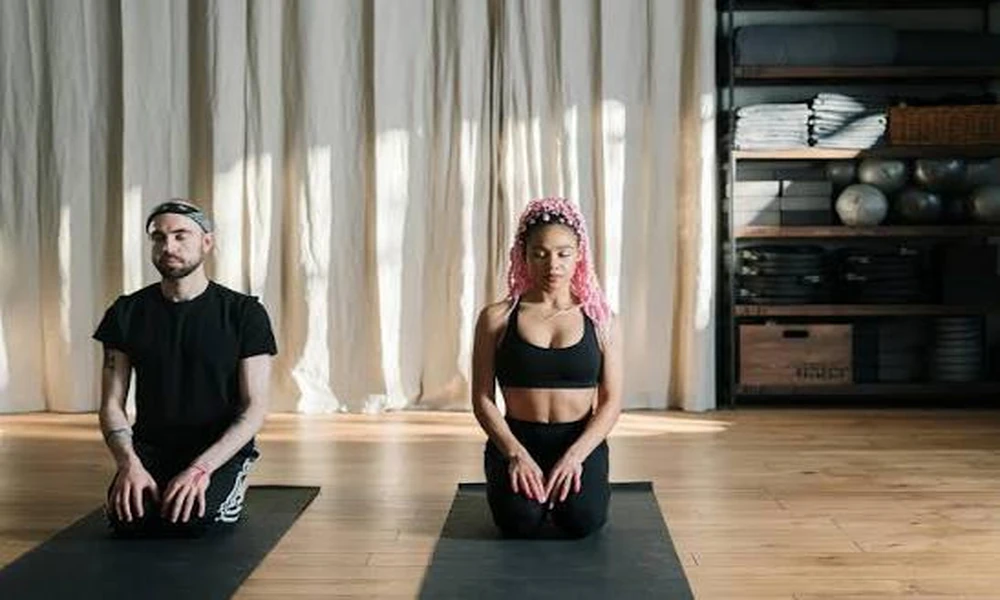

If you spend eight to ten hours a day at a desk in Sector 17, the IT Park or Mohali, you probably know the pattern: a stiff lower back by evening, a neck that cracks when you turn, shoulders rounded forward, and a core that feels like it has switched off. Pilates was designed for exactly this kind of body. This article explains what it does, who it helps, what a first session feels like and how to choose a studio.
What pilates actually is
Pilates is a system of controlled, low-impact exercises developed by Joseph Pilates in the early twentieth century. It focuses on the deep stabilising muscles of the trunk (the transverse abdominis, pelvic floor, multifidus and diaphragm), spinal mobility, breath control and precise alignment. Sessions are done either on a mat with small props, or on spring-loaded equipment such as the reformer, Cadillac and chair.
Why desk work and pilates are a natural match
Long sitting creates a predictable set of problems, and pilates addresses most of them directly.
- Tight hip flexors and weak glutes. Sitting shortens the front of the hips and switches off the muscles at the back. Hip extension and bridging work restores that balance.
- A rounded upper back and forward head. Laptop posture compresses the chest and overloads the neck. Thoracic extension and shoulder-blade stability exercises open this up.
- Lower back ache. A weak deep core leaves the lumbar spine unsupported. Pilates builds endurance in exactly those stabilisers, which is why physiotherapists often suggest it for non-specific low back pain.
- Shallow breathing and stress. The breath-led pace of a session calms the nervous system, something many people in high-pressure jobs notice after only a few classes.
If you want a deeper look at the physical and mental effects, a plain-language summary of pilates benefits is a useful starting point.
Who it is for (and who should check first)
Pilates suits most adults, including complete beginners, older adults, people with desk-related aches and new mothers once their doctor has cleared them. Runners, cyclists and gym-goers also use it as cross-training to fix imbalances.
A few groups should speak to a doctor before starting:
- Anyone with a recent injury, disc problem or surgery
- Pregnant women (prenatal-trained instructors and modified programmes exist)
- People with uncontrolled blood pressure, osteoporosis or a heart condition
- Anyone with numbness, weakness or pain radiating into a limb, which needs a medical assessment rather than an exercise class
If any exercise causes sharp pain, dizziness or chest discomfort, stop and seek medical attention.
What a first session is like
Most studios begin with a short assessment: your posture, how you breathe, how your spine moves and any history of pain. Expect the first 45 to 60 minutes to feel slow and surprisingly detailed. The instructor will cue breathing, pelvic position and rib placement far more than you are used to.
On the reformer, you lie, kneel or stand on a sliding carriage attached to springs. The springs can add resistance or, for beginners, actually assist the movement, which is why reformer work is often easier to start with than mat work. You do not need special gear: fitted clothing, grip socks and a bottle of water are enough.
For a clear overview before you walk in, read this guide to pilates in Chandigarh that explains the principles, the equipment and the common misconceptions.
How to pick a studio
The Tricity now has a growing number of options, from small mat-only rooms to equipment-based studios inside larger wellness centres. Use this checklist:
- Instructor training. Ask which certification the instructor holds and how many hours of supervised teaching it involved. Comprehensive programmes run into hundreds of hours.
- Class size. For reformer work, four to six people per instructor is a reasonable upper limit; beginners benefit from smaller groups or a few private sessions first.
- Assessment before exercise. A good studio wants to know about your back, neck and lifestyle before it puts you on a machine.
- Location and timing. Early-morning and post-office slots matter for working professionals. A studio near your route home is the one you will actually attend.
- Trial options. Most places offer a single trial session; use it before committing to a package.
A medically led wellness studio such as Aliine’s pilates studio in Chandigarh combines reformer and mat work with recovery services, which can suit people who want posture correction and stress management under one roof. Compare it against other studios on the same checklist rather than on price alone.
Making it stick
Two sessions a week for six to eight weeks is a realistic starting point; most people notice easier posture and less end-of-day stiffness within that window. Pair it with simple desk habits: stand up every 45 minutes, raise your screen to eye level and walk for ten minutes after lunch. If poor sleep and stress are part of the picture, structured programmes that combine movement with sleep and stress optimisation exist, but regular movement comes first.
Starting pilates in Chandigarh does not require fitness, flexibility or a particular body type. It requires showing up, breathing properly and letting an instructor correct you. For a city full of desk-bound professionals, that may be the most useful hour of the week.
Disclaimer: This article is for general information only and is not a substitute for medical advice. Please consult a qualified doctor or physiotherapist before starting any new exercise programme, especially if you have back, joint or heart problems.