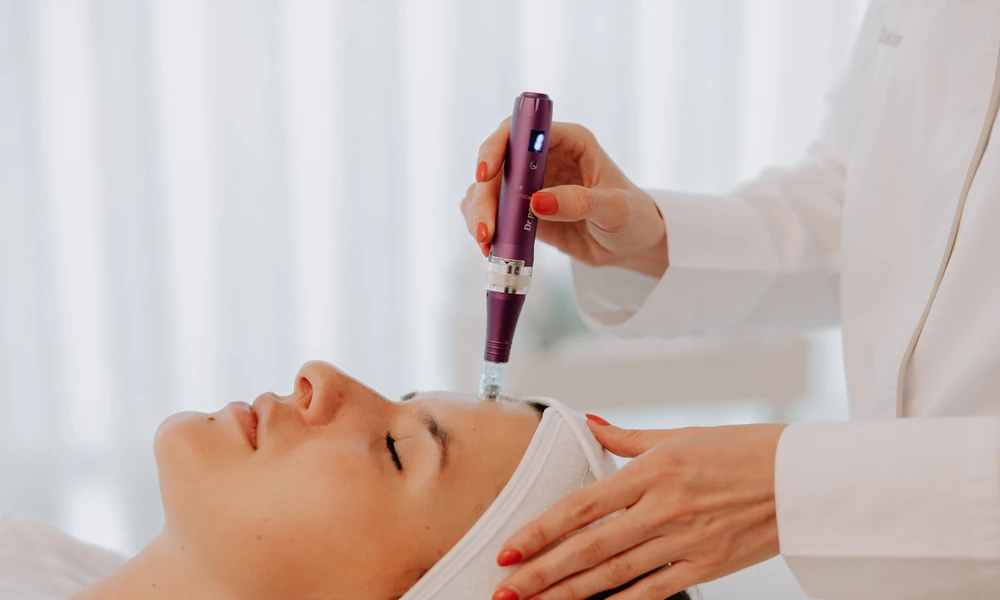

A tailored approach can address concerns linked to scalp condition and growth patterns. A hair treatment plan should begin with a careful review of current needs. Previous changes, along with daily habits and personal goals, can guide suitable care. Clear planning may support progress while keeping expectations realistic. This creates a stronger basis for personalized care through PRP Hair Treatments in Australia.
Understanding Individual Scalp Needs
Each person can have different scalp conditions and growth concerns at different stages. A careful review helps identify areas needing focused attention before recommendations are made. Age, family patterns, and previous care can shape choices over time consistently. Recommendations should reflect current condition with goals and professional observations rather than follow one fixed method unsuitable for all.
- Scalp condition can guide suitable preparation before each planned session.
- Previous care records may help create a safer schedule.
- Daily habits can influence ongoing scalp maintenance needs regularly.
- Current growth patterns may support more focused planning choices.
- Personal goals can help establish realistic progress expectations throughout.
Assessing Scalp And Growth
Scalp checks provide useful details before a plan begins. Areas with reduced hair density may need closer review to understand current changes and surrounding scalp condition. Changes over time can show whether concerns remain stable or require another review. This information allows recommendations to adjust according to individual needs and observed progress across scheduled reviews.
Personalizing Session Timing Carefully
Session timing should reflect current condition and goals set during assessment. Some people may need more time between appointments to support suitable recovery and observation. Others may require closer monitoring before another step is planned. Timing should change when signs suggest an adjustment could better match personal circumstances and current response.
- Appointment spacing should reflect current scalp response during care.
- Review dates can help track changes across planned appointments.
- Personal schedules should allow enough recovery between regular visits.
- Progress checks can guide suitable timing adjustments when needed.
- Professional guidance can keep each stage carefully planned throughout.
Supporting Scalp Care Daily
Daily scalp care can influence the condition surrounding planned sessions. Gentle cleansing and suitable habits may maintain a clean setting and decrease unnecessary irritation. Consistent routines can support regular appointments and ongoing attention between sessions, with PRP Hair Treatments in Australia tailored to individual hair health needs by a qualified professional.
Tracking Progress With Goals
Clear goals make it easier to judge whether the plan remains suitable. Photos and notes provide useful comparison points over time while helping track gradual changes. Progress may vary because individual responses are not identical across different people. A qualified professional can review observations and adjust recommendations when needed to keep goals realistic, while clear notes can identify concerns during earlier reviews.
- Consistent photographs can support clearer comparisons between scheduled reviews.
- Written notes may capture changes noticed between planned appointments.
- Scheduled assessments can identify whether adjustments remain suitable over time.
- Personal goals can provide direction throughout ongoing care stages.
- Professional feedback can clarify realistic expectations for progress during reviews.
A structured regimen should respond to requirements rather than fixed assumptions. Evaluation alongside appointment spacing and routine upkeep can guide wiser decisions; records and expert checks can refine choices. Attentiveness to new signs helps maintain practical aims. Expert input remains important when circumstances shift. With consistent attention, each stage can stay focused, measured, and suited to circumstances over time steadily.
FAQs
Can individual scalp conditions change the recommended treatment schedule?
Yes, changing scalp conditions may require professional schedule adjustments.
Should daily scalp care continue between planned treatment sessions?
Yes, suitable daily care can support consistent ongoing maintenance.
Can progress records help guide future treatment plan changes?
Yes, clear records can support informed adjustments during reviews.